
Reforestation: Ghana's Key to Combating Climate Change
11/14/20252 min read
Why Reforestation Matters
Ghana, a country known for its vibrant culture and diverse ecosystems, faces considerable challenges from climate change. One of the most effective solutions to tackle this pressing issue is reforestation. Planting trees not only helps combat climate change but also plays a significant role in restoring degraded lands and boosting rural livelihoods. Let’s explore how tree-planting can make a real difference for the people of Ghana and future generations.
The Science Behind Tree-Planting
Did you know that trees act as natural air purifiers? Through the process of photosynthesis, they absorb carbon dioxide and release oxygen, which is essential for all living beings. This natural process helps mitigate the effects of climate change by reducing greenhouse gas concentrations in the atmosphere. In Ghana, the benefits of reforestation extend far beyond carbon capture. It can influence weather patterns, improve soil health, and restore biodiversity in both rural and urban areas.
Nii Ananse World: A Local Project with Global Impact
Take Nii Ananse World, for example. This initiative focuses on selecting native species that are well-suited for planting in Ghana’s varied climates. By choosing the right trees, we not only increase the survival rate of newly planted saplings but also promote the revival of ecosystems that support countless forms of wildlife and plant life.
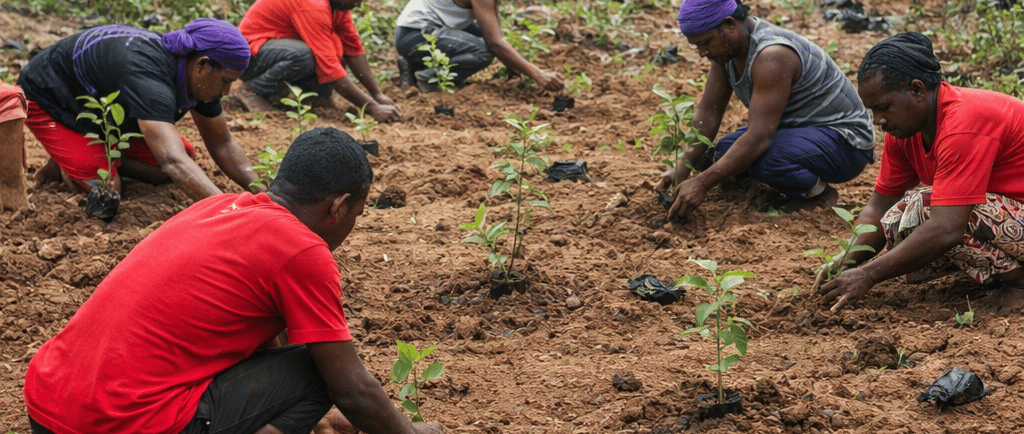
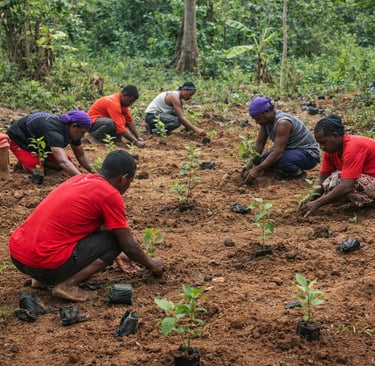
Moreover, community participation is crucial to the success of such projects. Schools, farmers, and volunteers come together, making tree-planting a communal effort. Imagine children learning about the environment while planting trees alongside their parents or local farmers receiving training on sustainable practices that enhance crop yields. It’s these collective actions that can genuinely change the narrative of climate action in Ghana.
Reforestation is not merely about planting trees; it’s about fostering a sustainable future. By engaging local communities in the process, we ensure that tree-planting initiatives are culturally relevant and tailored to the needs of the people. The importance of their involvement cannot be understated; it allows them to witness firsthand the positive impacts of their efforts, nurturing a sense of stewardship towards nature.
In conclusion, understanding why reforestation is one of Ghana’s most important climate solutions is essential for mobilizing collective action. The far-reaching effects of planting a single tree can help counteract the negative impacts of climate change, improve local agricultural practices, and secure a better future for generations to come. So, whether you’re a local or an expatriate looking to give back, remember that every tree planted is a step towards a healthier planet.